Egypt - Red Sea · Riff
Brother Island / Big Brother
The dive site
Brother Island / Big Brother at a glance
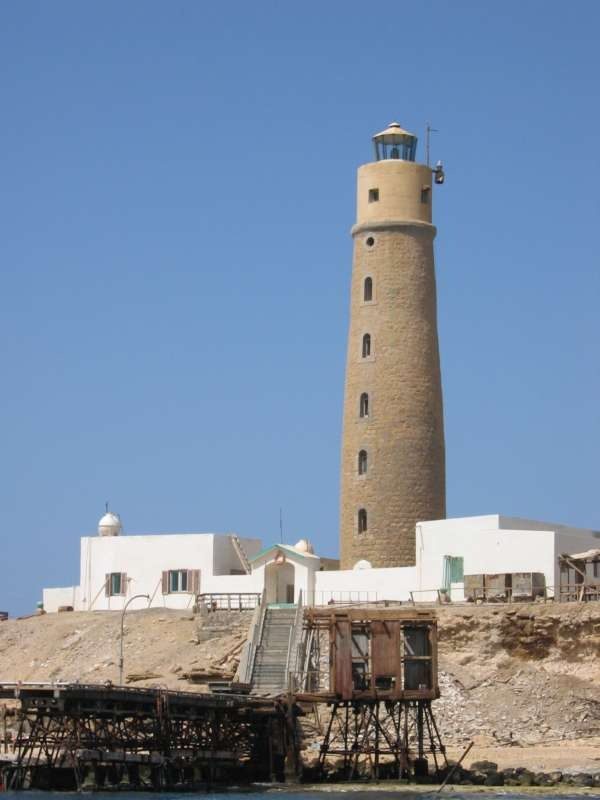
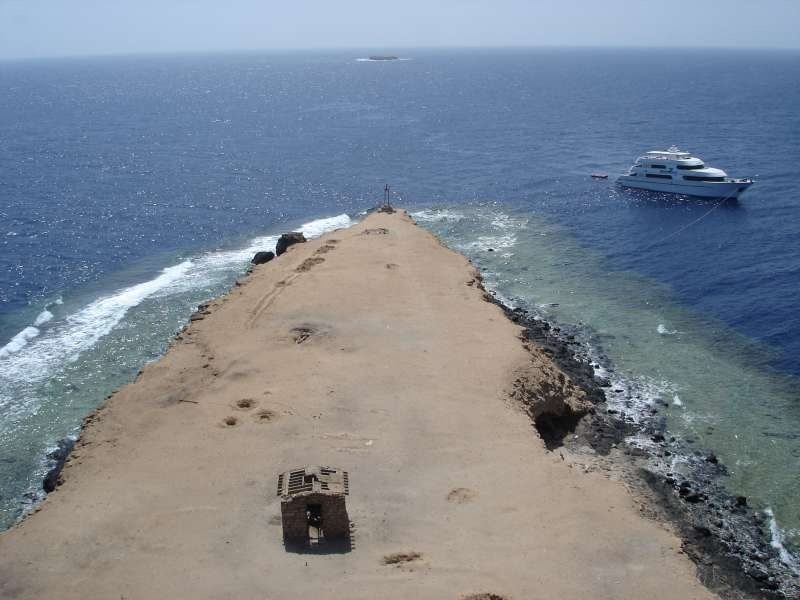
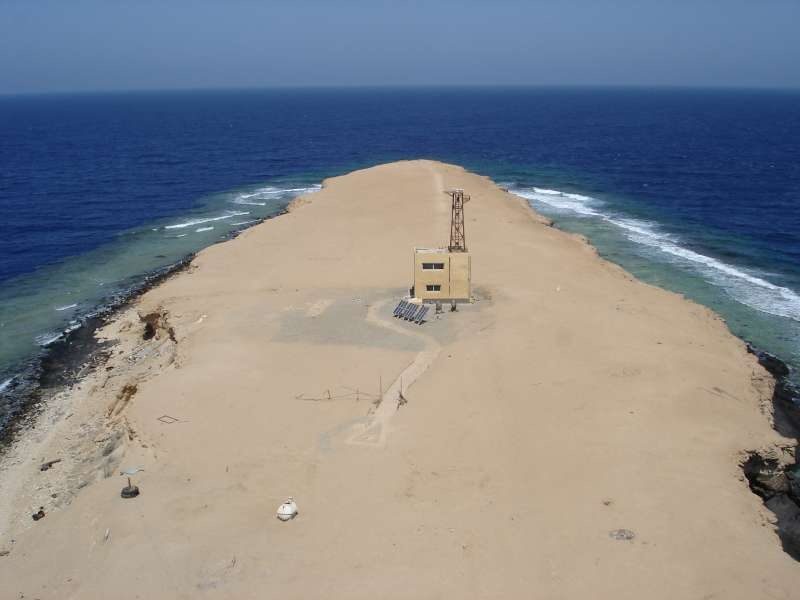
The larger island is dominated by the lighthouse—built in 1883 and still in operation today—and the pier. Other than that, not much happens on this area roughly the size of three soccer fields, aside from the coral sand. The dark, sea-polished surfaces visible at the edge of the island reveal the volcanic rock beneath.
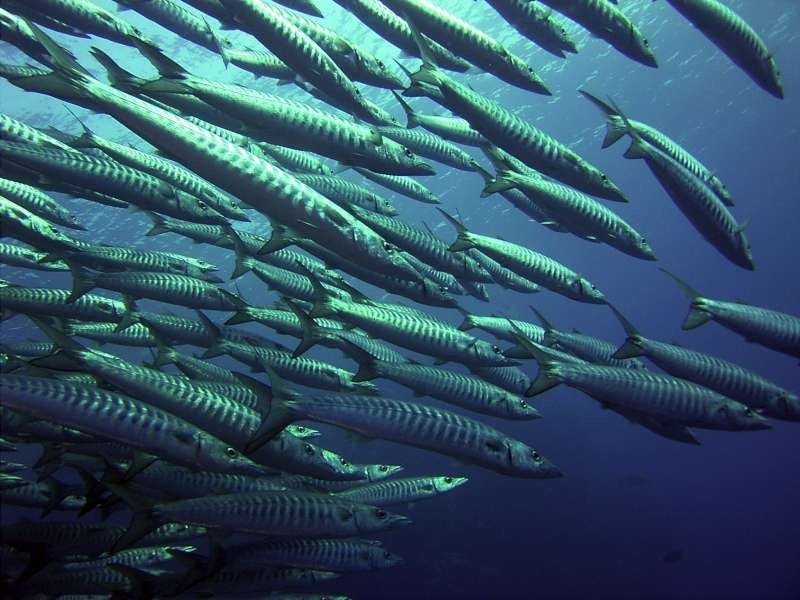
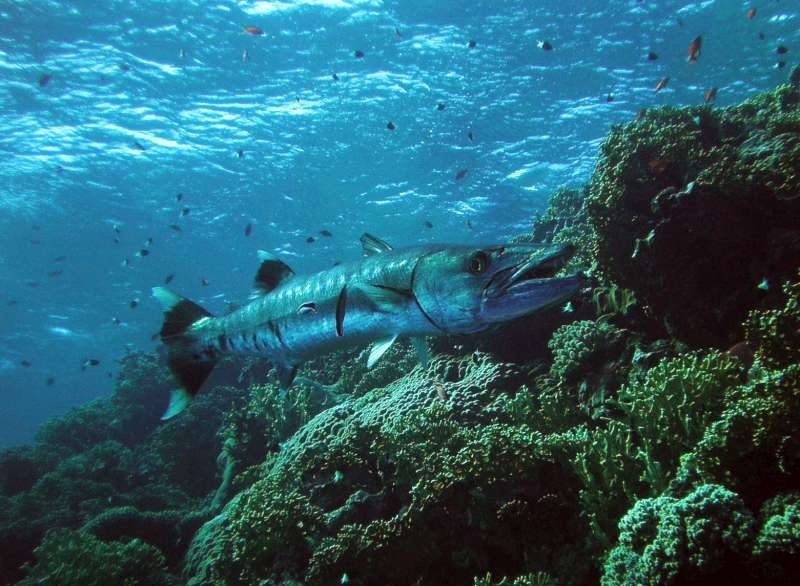
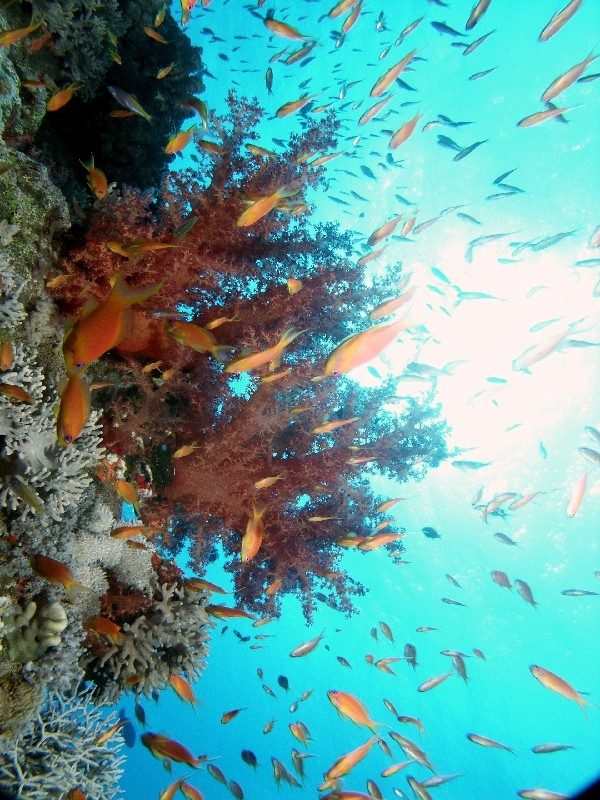
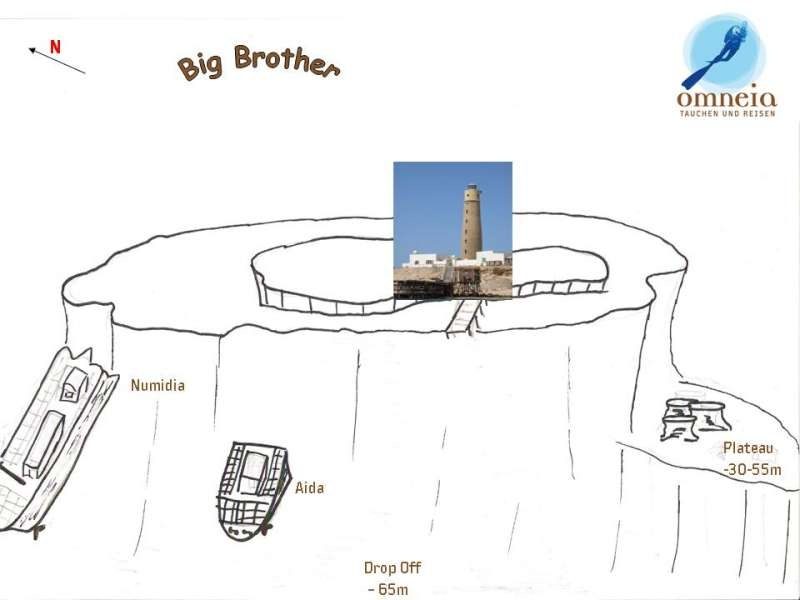
The ship usually anchors on the west side, extending to the southern tip of the plateau. (Strictly speaking, “Big Brother” does not align with the classic north-south axis of the Red Sea reefs, but we’ll stick with this terminology for the sake of simplicity.) Traditionally, divers explore the west side and the plateau. The east side is rarely dived; this is due more to the tradition of dive planning than to the beauty of the site itself. A rugged reef structure, featuring nearly all types of stony corals, gorgonians, and abundant schooling fish, makes the east side well worth exploring as well.
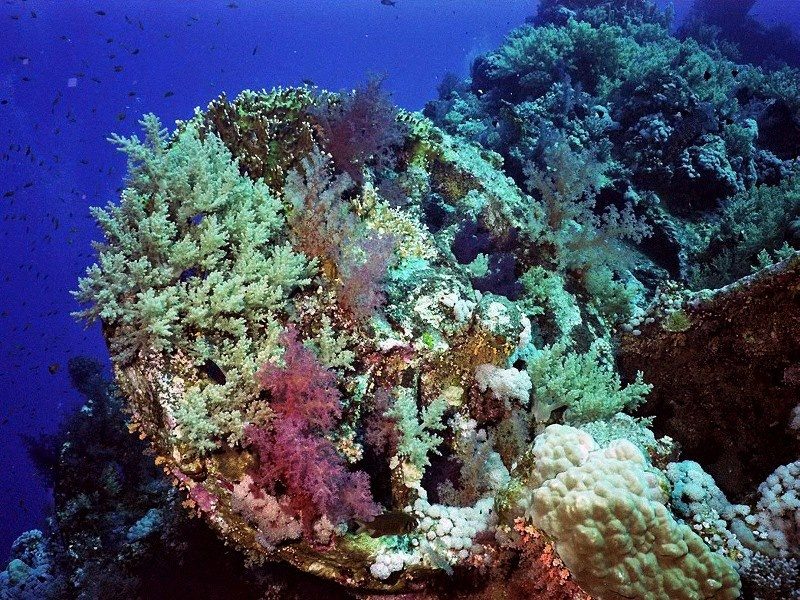
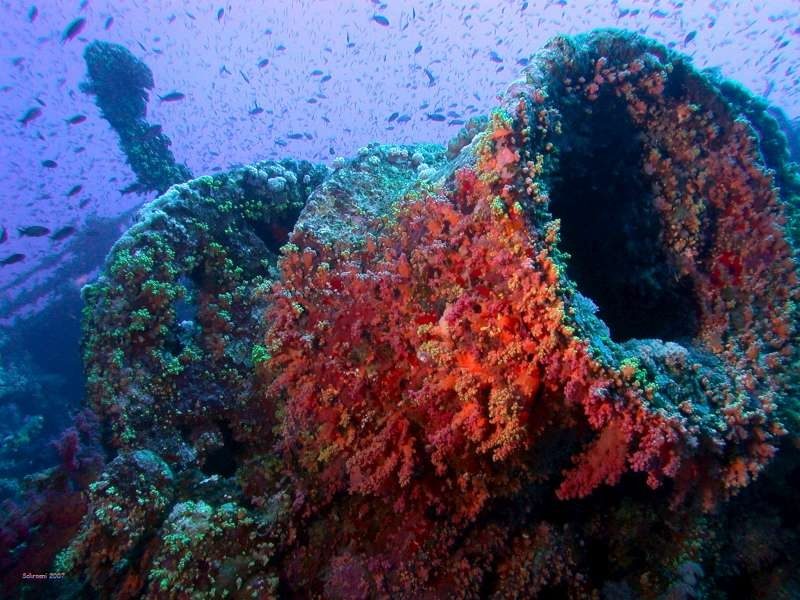
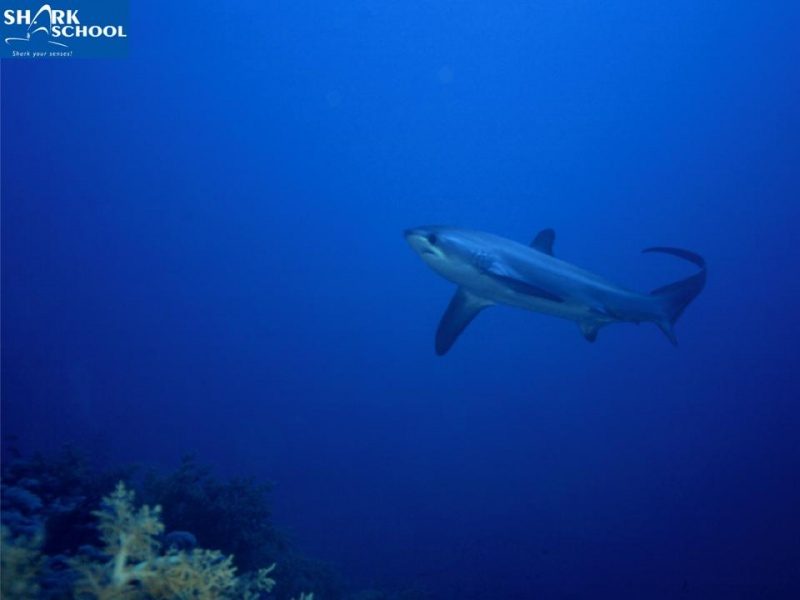
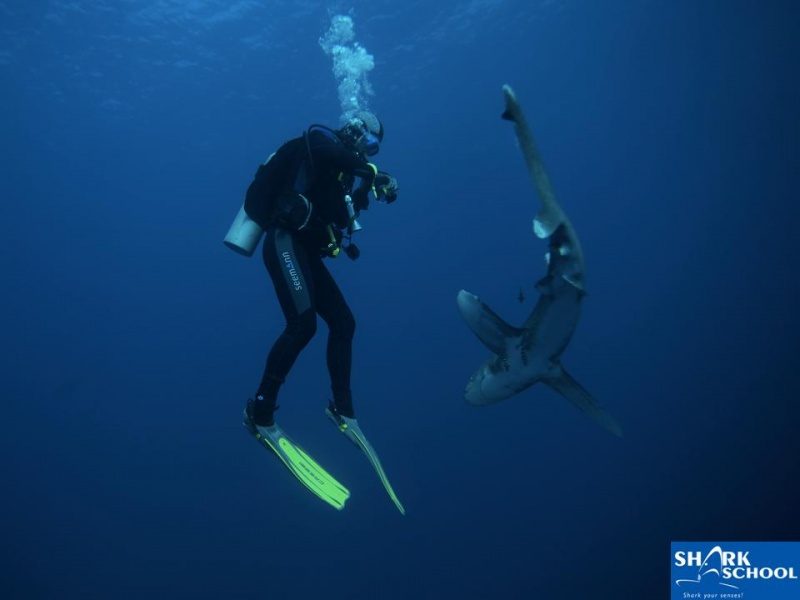
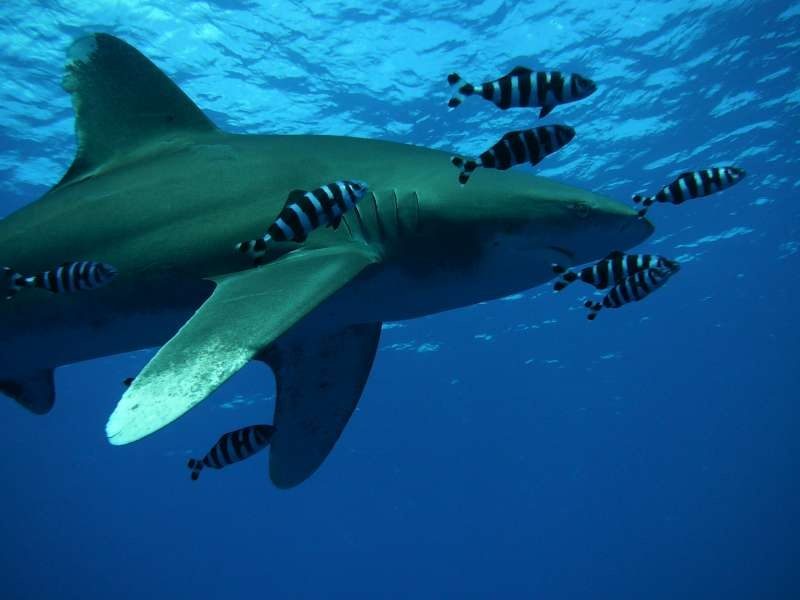
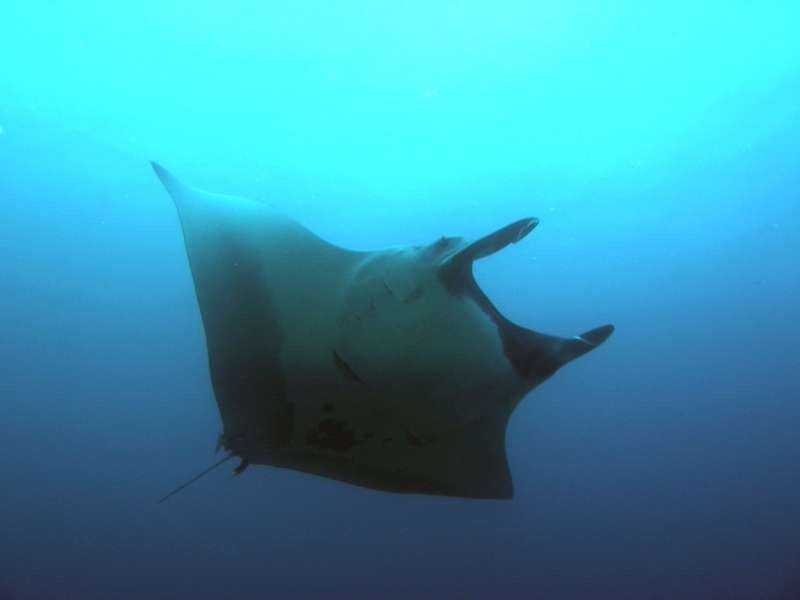
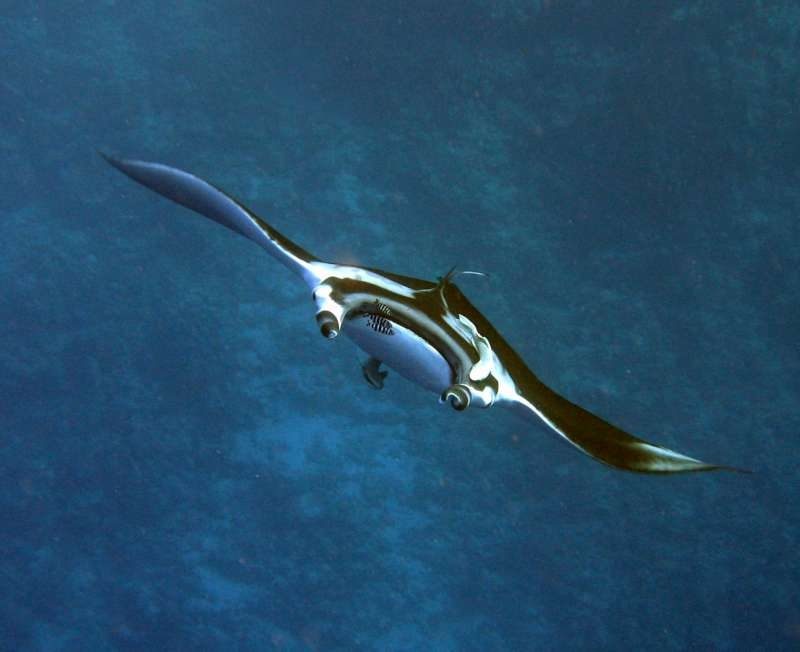
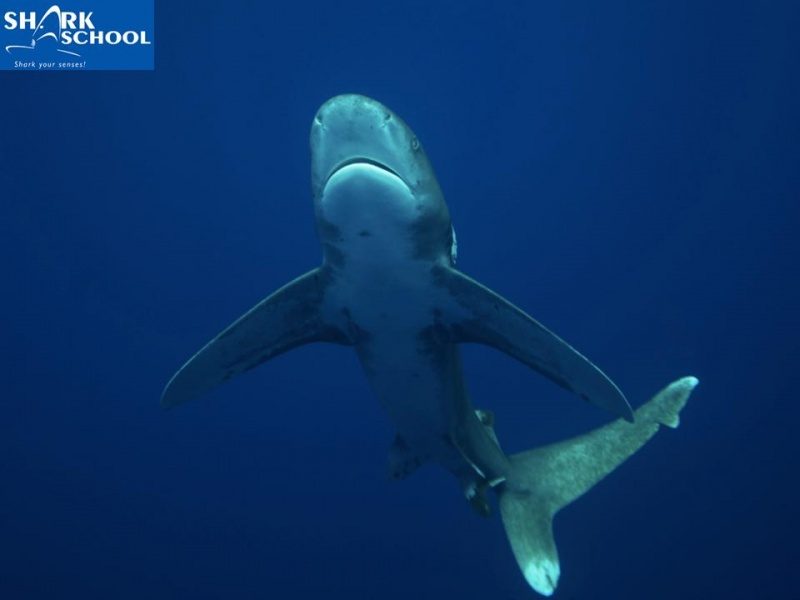
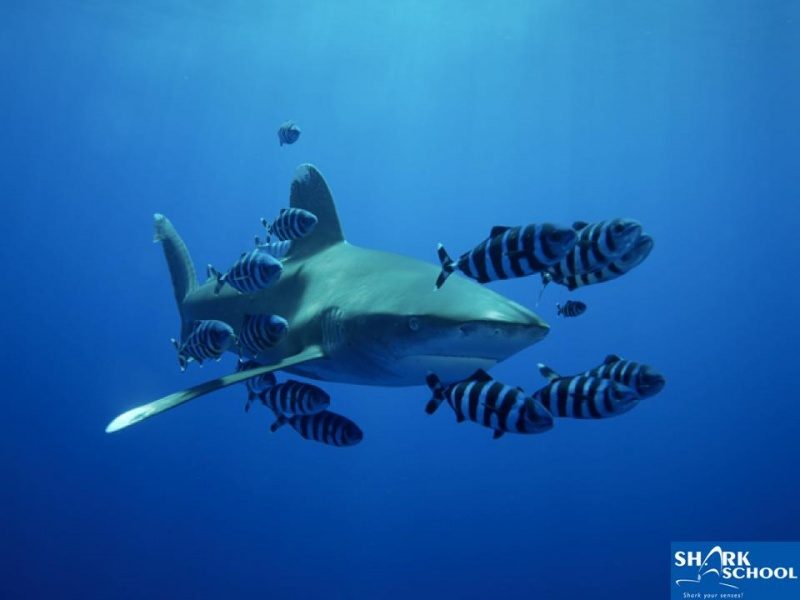
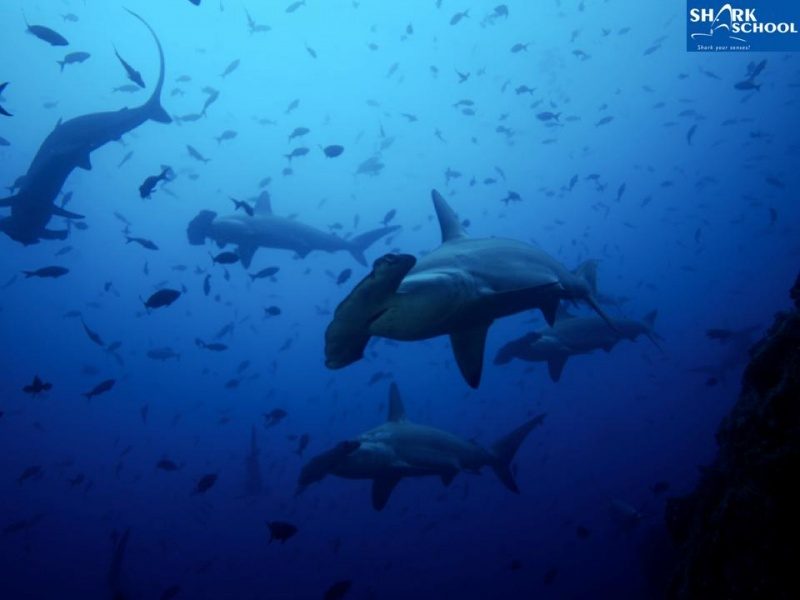
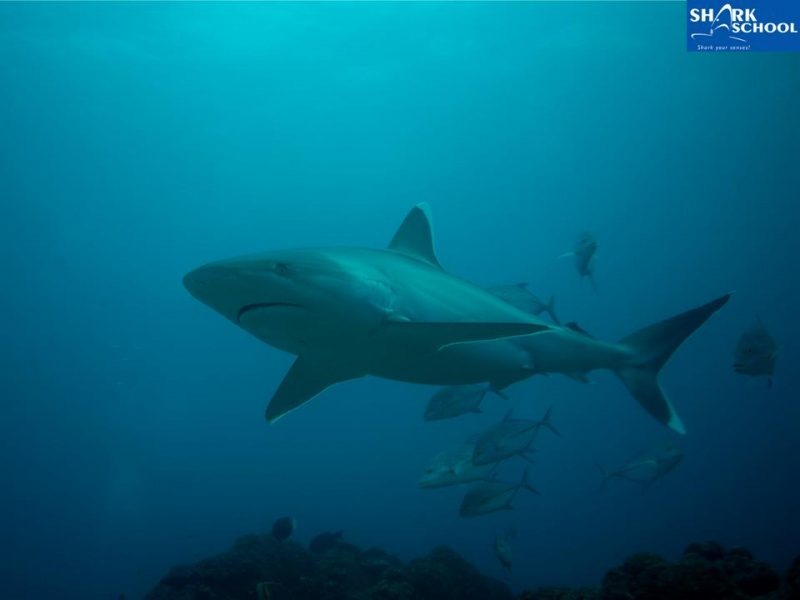
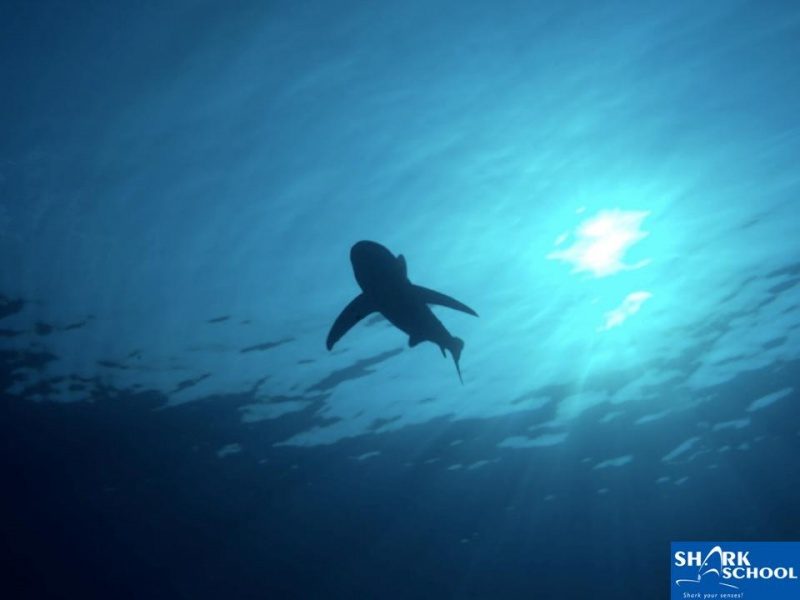
The southern plateau of the “Big Brother” is home to several wonderfully overgrown erks—a photographer’s paradise. A canyon stretches westward between the erks, housing a shark cleaning station. With a bit of luck, thresher sharks and manta rays gather here.
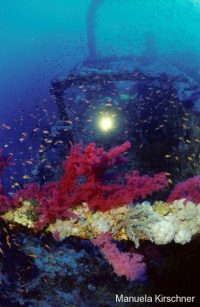
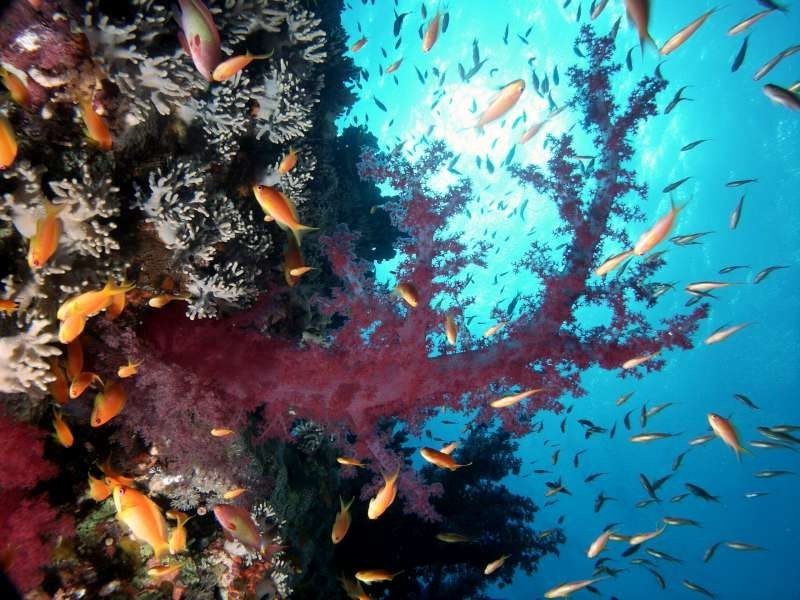
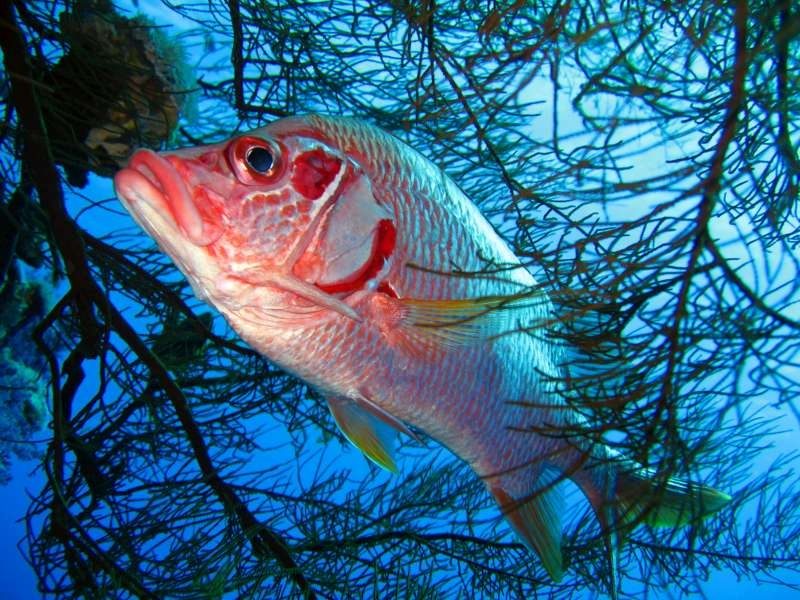
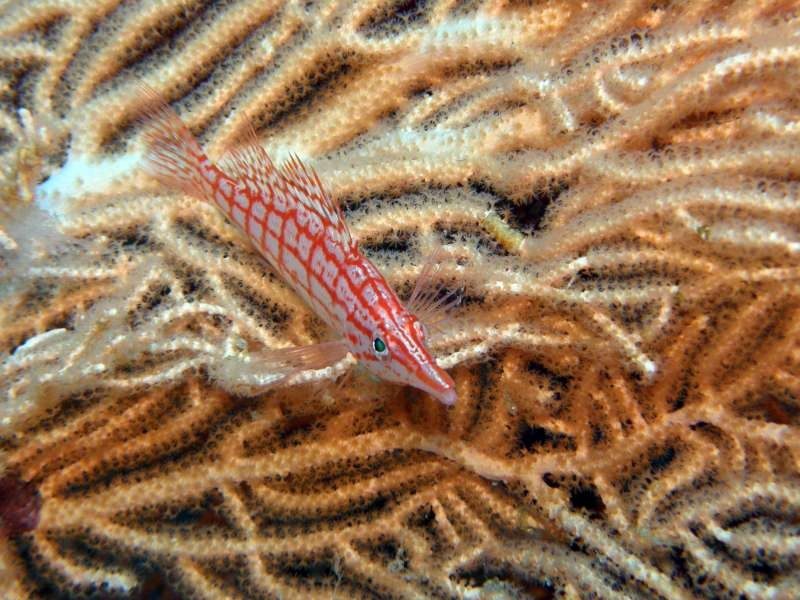
The west side isn’t just one highlight—it’s three in one. There are essentially three dives to choose from here. The west side is beautifully covered in soft corals and black corals. In many places, the steep wall is rugged, forming grottoes, caves, and gentle coves. Large fish swim by in the blue water—it’s always worth taking a look into the blue. In one of the bays, a school of silvery, shimmering hanging-ax-belly fish can be found year-round, constantly teased by parrotfish. It’s a wonderful spectacle and a photographer’s dream.
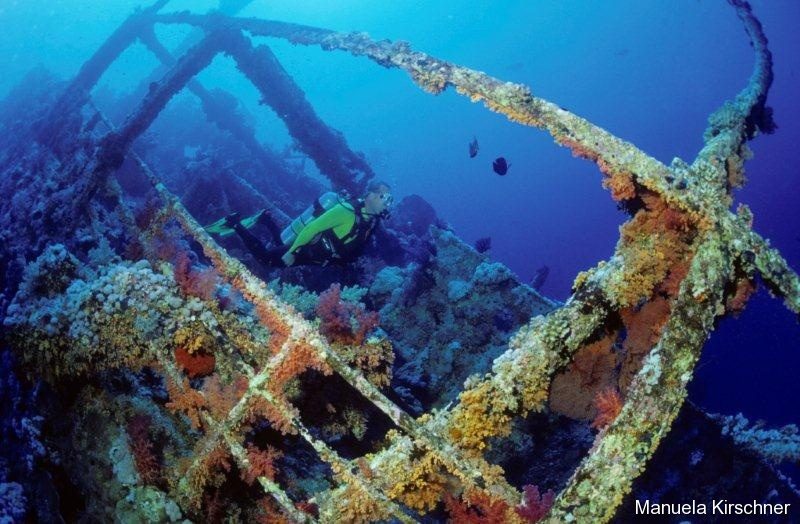
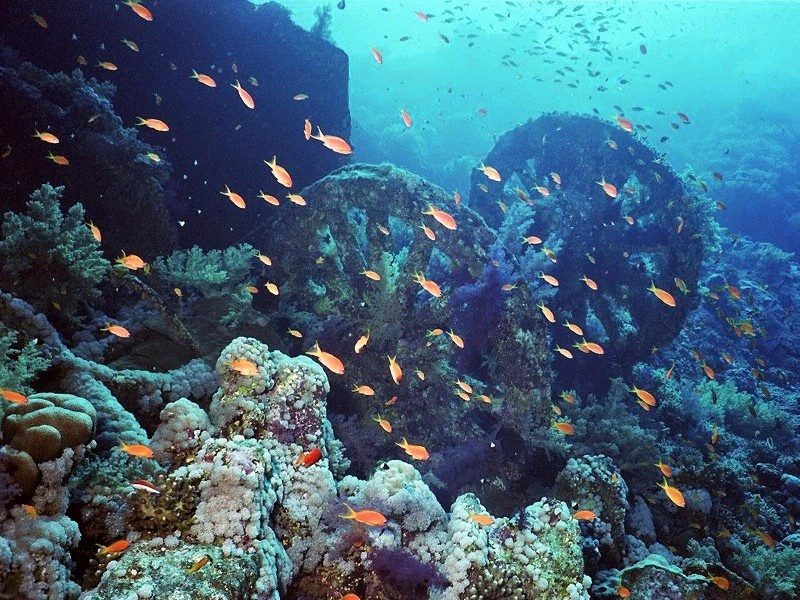
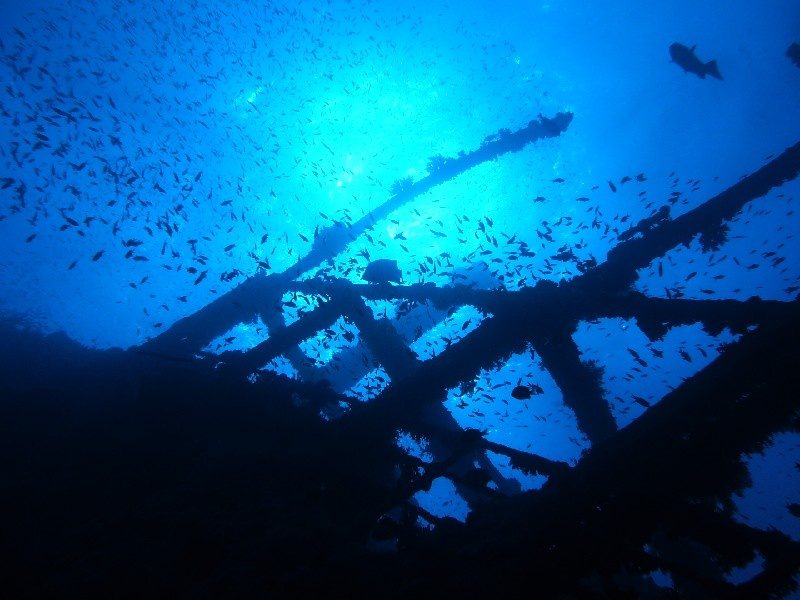
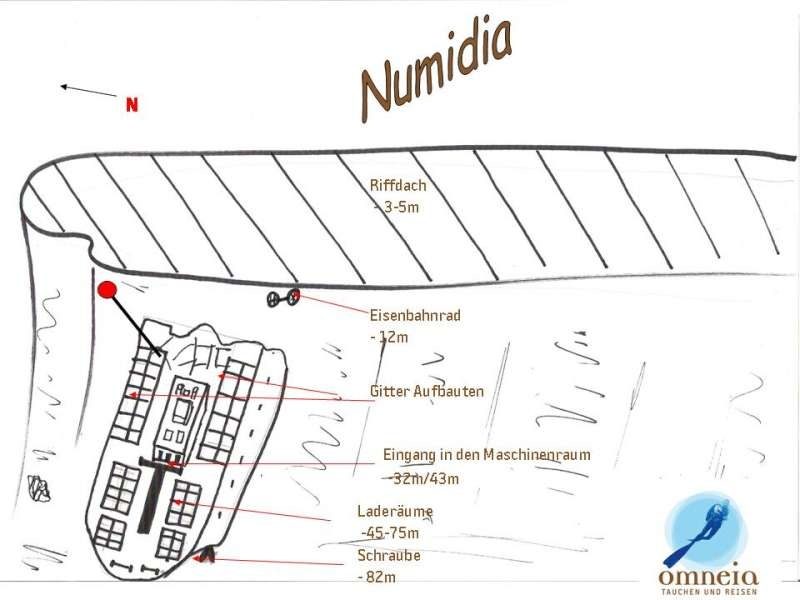
Two of the most famous and rewarding wrecks—not just in the Red Sea—have found their final resting place on the western side of the “Big Brother”: the Numidia and the Aida. The Numidia lies quite close to the northern tip, just outside the shadow of the splitting current. Depending on the current conditions, a dive at the Numidia can be very challenging. The Numidia was a cargo steamer 150 meters long and 18 meters wide that found its final resting place here in 1901. The coral growth is uniquely beautiful. Even from the reef roof with the railroad wheels, colors play with the diffused light, creating a sublime atmosphere. All compartments are easily accessible; at times the wreck is flooded with light, while at other times the light is only faintly discernible. The wreck lies at a depth of approximately 80 meters on its short side; as mentioned, diving along the side takes you too deep. The masts still rise into the blue sky today. At the height of the mast tips, on mornings with good conditions, you can spot sharks passing by in the blue water. A dive at the Numidia is always too short, because at the end of the dive you must always circle around the northern tip back to the west side to get out of the surf zone and safely reach the Zodiac or the safari boat.
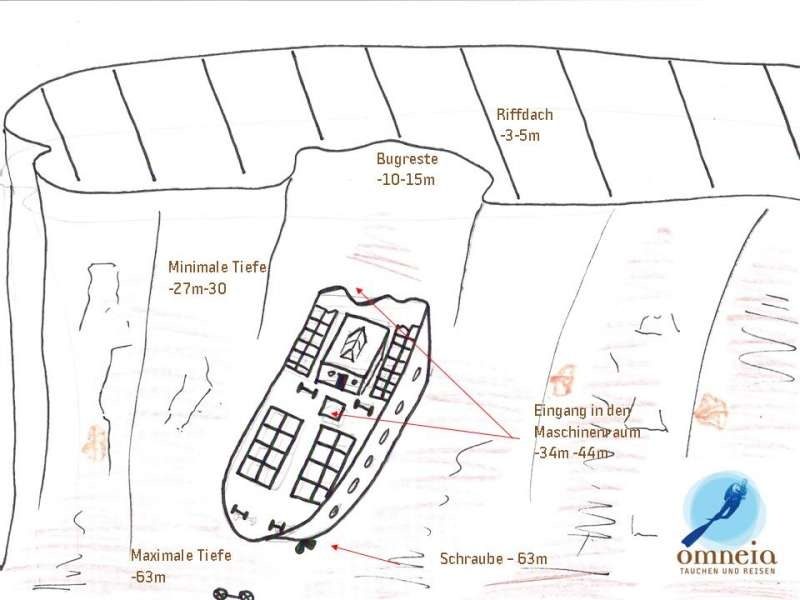
Off the northern tip, easily accessible from the western wall, the Aida met its match in 1957 when it collided with its “big brother.” Of its 82 meters in length, a significant portion of the bow has been shattered by the impact and the elements. The actual wreck begins here at a depth of about 30 meters and ends at 65 meters. The marine life here is also unique. The wreck is easy to dive and offers a wealth of subjects for the passionate photographer. Due to the depth, every dive at the Aida is challenging.
Aida Ship Data
Vessel Data: Numidia
| Length | 82 m |
| Width | 10.50 m |
| Draft | 7.50 m |
| Propulsion | Steamship |
| Cargo on the final voyage | Egyptian soldiers |
| Launch | 1911 |
| Sinking | 1957 |
| Minimum depth | 28 m |
| Maximum depth | 64 m |
| Length | 150 m |
| Width | 18 m |
| Draft | 6.50 m |
| Propulsion | Steam engines |
| Cargo on the final voyage | Railroad supplies, wheels, and axles for locomotives |
| Launch | 1901 |
| Sinking | July 21, 1901 |
| Minimum depth | 20 m |
| Maximum depth | 78 m |
These safari routes call at Brother Island / Big Brother: